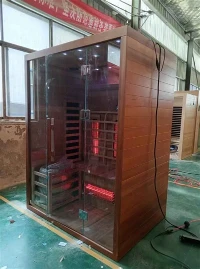
As a core consumable component in the hot and humid environment of a sauna room, the condition of the door sealing strip directly determines the insulation efficiency, usage safety and overall experience of the entire unit. Many household users do not realize the aging of the sealing strip until obvious air leakage and heat loss occur, ignoring that daily maintenance can greatly extend its service life and reduce long-term usage costs.
Why Sauna Door Sealing Strips Are Especially Critical
Different from the sealing strips for ordinary doors and windows, sauna door sealing strips operate long-term in a high-temperature and high-humidity environment ranging from 60°C to 100°C, and are constantly subjected to repeated squeezing from door opening and closing, as well as temperature fluctuations from alternating hot and cold conditions. Once the sealing strip ages and deforms, the most direct consequence is that heat inside the sauna will escape rapidly through the door gap. This forces the heating system to run continuously at high load, which not only drastically increases energy consumption, but also prevents the sauna from reaching the set comfortable temperature, completely ruining the experience.
In addition, a failed sealing strip will allow excessive cold air to flow into the sauna, causing uneven heating of the heater. The wood panels, exposed to constant temperature differences, are prone to cracking and deformation over time. Worse still, leaking high-temperature steam may accidentally burn users passing by, creating unnecessary safety hazards.
Daily Maintenance: Low-Cost Ways to Extend Strip Lifespan
Proper daily maintenance can extend the service life of a qualified sauna sealing strip by more than 30%. The operations are completely accessible for all users, and only take a few minutes after each session and during monthly cleaning:
1. After the sauna cools down completely, gently wipe the surface of the sealing strip with a dry soft cloth to remove accumulated moisture, sweat residue and wood debris. This prevents long-term buildup of dirt from corroding the strip material. Never use corrosive cleaners containing alcohol or strong alkali, as these ingredients will quickly damage the weather-resistant molecular structure of the strip and accelerate hardening and cracking.
2. Conduct a full inspection once a month. Press slowly along the entire length of the strip with your finger to check its rebound performance, and observe whether there are tiny cracks, sticky spots or lifted edges on the surface. Once early signs of aging are detected, you can intervene in advance to prevent the problem from worsening.
3. Before leaving the sauna unused for a long period, do not close the door tightly directly. Fully dry the sealing strip surface, and place a layer of clean absorbent cotton paper between the door and the strip. This prevents the strip from being in a continuously compressed state which causes permanent deformation, and also avoids adhesion between the strip and the door frame in humid conditions.
Accurate Judgment: Partial Repair or Full Replacement
Many users struggle with whether to replace the entire sealing strip after discovering local damage. In fact, you can make the decision based on three clear criteria:
If the damage is limited to less than 10% of the total length of the strip, such as a small scratch or a slightly separated joint, and the rest of the strip can rebound quickly when pressed, partial repair is feasible: cut the damaged section into a 45° oblique opening, clean the cross-section, and butt it with special fast-curing silicone adhesive. Let it sit for 24 hours to fully cure, and the basic sealing performance will be restored.
However, full replacement is mandatory if any of the following situations occur: the entire strip hardens completely and shows no rebound after pressing, with widespread cracking; the strip has permanent flat deformation after long-term compression and can no longer fit the door gap; the sauna is frequently used at around 100°C, where the partially repaired position will be the first to crack under repeated squeezing. Continued patching will only lead to recurring heat leakage problems.
Complete Replacement Steps: Safe Operation for Beginners
Replacing a sauna door sealing strip does not require a professional technician to visit. With simple tools including gloves, a utility knife and a soft cleaning cloth, you can finish the process by following standard procedures:
1. First, make sure the sauna is completely powered off and fully cooled down. Wear protective gloves to avoid scratches from sharp burrs on the old sealing strip. Gently pry up one corner of the old strip, and slowly pull it out along the sealing groove of the door frame. Do not pull with excessive force, which may break the strip and leave residues.
2. Thoroughly clean the dust, residual adhesive and wood debris inside the sealing groove with a soft cloth, ensuring the groove is completely dry and clean. This guarantees that the new sealing strip will fit tightly after being embedded, without becoming loose or falling off later.
3. Cut the new dedicated sauna-grade silicone sealing strip according to the actual length of the sealing groove, and reserve about 5% extra length to avoid insufficient coverage. Starting from one corner of the door frame, press the strip evenly into the groove, keeping it flat throughout the process without twisting or wrinkling. Cut the joint into an oblique opening for butt connection to further minimize gaps.
4. After installation, press the entire circle of the strip repeatedly to confirm it is fully clamped. Close the sauna door to check the fit at the door gap, making sure no part of the strip is lifted. Then turn on the sauna to heat up and test. When you feel no obvious hot air escaping from the door gap, the replacement is successfully completed.
By completing daily maintenance and timely replacement for your sealing strip, you can not only keep your sauna operating at stable heating efficiency, but also avoid many unnecessary subsequent repair issues, ensuring every sauna session remains comfortable and safe.