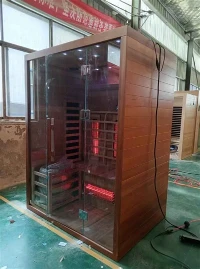
Saunas feature solid wood construction and high-temperature humid environments, so unpleasant odors-such as mustiness, sweat sourness, burning smells, woody fishiness, or chemical fumes-often develop after regular use. These odors not only ruin your relaxation experience but also signal hygiene and maintenance issues. This guide breaks down the most common sources of sauna odors and provides safe, wood-friendly, equipment‑safe solutions to restore a fresh, dry sauna space.
1. Common Sources of Sauna Odors
1.1 Trapped Moisture & Mold Growth (Most Prevalent)
High heat and humidity linger if the sauna is not ventilated and dried properly after use. Moisture seeps into wood grain, under benches, in corners, behind panels, and beneath flooring, creating damp pockets that breed mold, mildew, and musty odors. This is the leading cause of stuffy, moldy smells, especially in outdoor saunas, basement saunas, and poorly ventilated indoor units.
1.2 Sweat, Oils & Bacterial Buildup
Sweat, sebum, and dead skin cells cling to benches, walls, and floor mats. Bacteria thrive in warm conditions and break down organic residues, producing sour, locker-room-like odors. These smells intensify when heated and embed deep into wood pores, resisting surface wiping.
1.3 Heating System & Sauna Stone Issues
Dust, hair, and debris on electric heaters or wood‑burning stoves cause burning or plastic‑like fumes when heated;
Aging, scaled, or contaminated sauna stones release sulfur or fishy odors at high temperatures;
Wiring, insulation, or non‑heat‑resistant components off‑gas, creating sharp chemical smells.
1.4 Wood & Construction Residues
New saunas: Insufficiently kiln‑dried lumber, low‑grade adhesives, or non‑high‑temp sealants emit raw wood odors or chemical fumes;
Older saunas: Wood becomes saturated with odors over time, or cleaning chemical residues create stale, mixed smells.
1.5 Improper Cleaning & Maintenance
Harsh cleaners containing bleach, ammonia, or artificial fragrances leave toxic residues that vaporize when heated, causing irritating fumes. They also strip natural wood oils, making wood more prone to moisture and odor absorption.
2. Safe Odor Removal Methods (Wood‑Friendly & Equipment‑Safe)
2.1 Musty / Damp Odors: Dry First, Treat Mold
After each session, open the door and vents for 30–60 minutes until fully dry;
Mild mildew: Wipe surfaces with a 1:1 vinegar‑to‑water solution, let sit 10 minutes, rinse with clean water, and air dry;
Strong mustiness: Heat the sauna to 60–70°C with the door slightly ajar for 20 minutes to sanitize and dry, then ventilate completely;
Dead spots: Lift benches, remove mats, clean understructures and floor gaps; lightly sand moldy surface layers if needed and remove dust.
2.2 Sweat / Bacterial Odors: Deep Clean + Natural Absorption
Daily care: Wipe with warm water + mild neutral soap, following the wood grain; rinse and blot dry;
Odor absorption: Place bowls of baking soda or activated charcoal on benches, seal for 6–12 hours, then remove; repeat 2–3 times;
Antibacterial boost: Lightly wipe with diluted tea tree oil (1:10 ratio) for natural, non‑irritating disinfection.
2.3 Burning / Heater Odors: Clean Heat Sources & Parts
After cooling and disconnecting power, clean dust and debris from heating elements and heater chambers; for first use or long‑idle saunas, run empty for 15–20 minutes to burn off residues;
Replace sauna stones every 1–2 years and remove dust/mineral deposits to eliminate foul fumes;
Inspect wiring, light fixtures, and sealants; replace non‑heat‑rated parts to stop chemical off‑gassing.
2.4 Raw Wood / Chemical Odors: Ventilate + Natural Neutralization
For new saunas: Air out for 24–48 hours with the door open, and run 2–3 empty heat cycles to clear factory odors;
Neutralize: Place lemon slices, orange peels, or vinegar bowls inside, seal for 6 hours, then ventilate;
Avoid artificial fragrances and harsh solvents to prevent secondary contamination.
3. Long‑Term Odor Prevention: 3 Essential Habits
Always ventilate and dry after use - the single most effective way to stop mold and bacteria;
Light, regular cleaning - quick wipe‑downs weekly, deep cleaning monthly, focusing on benches, mats, and corners;
Smart usage - Shower before entering to reduce sweat and oil; avoid corrosive cleaners to protect wood and equipment.
Conclusion
Sauna odors are almost always solvable, stemming from moisture, bacteria, heater contaminants, and poor maintenance. By identifying the source and using gentle, safe cleaning, drying, and absorption methods, you can quickly eliminate wood and equipment odors and restore a clean, warm, comfortable sauna. Regular upkeep keeps air fresh and extends the life of your wood and heating system, ensuring reliable performance for home and commercial saunas alike.