

Hemlock is a popular choice for sauna room construction due to its natural beauty, durability, and resistance to decay. As a supplier of Hemlock Sauna Rooms, I understand the importance of proper wood treatment to ensure the longevity and performance of these saunas. In this blog, I'll share my insights on how to treat the wood in a Hemlock Sauna Room effectively.
Understanding the Characteristics of Hemlock Wood in Saunas
Hemlock wood is well - suited for sauna environments. It has a relatively low resin content, which means it won't release unpleasant odors or sticky substances when exposed to high temperatures. Additionally, hemlock is known for its strength and ability to withstand the humidity and temperature fluctuations typical in saunas.
However, to maintain its quality, the wood needs proper care. The high - temperature and high - humidity conditions in a sauna can cause the wood to dry out, crack, or develop mold over time if not treated correctly.
Pre - installation Wood Treatment
Before installing the hemlock wood in the sauna room, it's essential to perform some pre - treatment steps.
Drying
First and foremost, make sure the hemlock wood is properly dried. Green or wet wood can lead to a host of problems, such as warping, mold growth, and inefficient heating. The ideal moisture content for hemlock wood used in saunas is between 12% and 18%. You can use a moisture meter to check the moisture level of the wood. If the wood is too wet, you can store it in a dry, well - ventilated area for a few weeks until it reaches the appropriate moisture content.
Sanding
Sanding the wood is another crucial step. This not only gives the wood a smooth finish but also helps to open up the pores of the wood, allowing the treatment products to penetrate more effectively. Start with a coarse - grit sandpaper (around 80 - 100 grit) and gradually move to a finer grit (150 - 220 grit) for a polished look.
Applying a Preservative
Applying a high - quality wood preservative is highly recommended. A good preservative can protect the hemlock wood from mold, mildew, and insect damage. Look for a preservative that is specifically formulated for use in saunas, as these products are designed to withstand high temperatures and humidity. Apply the preservative evenly using a brush or a sprayer, and make sure to cover all surfaces of the wood, including the edges and corners.
Post - installation Wood Maintenance
Once the hemlock sauna room is installed, regular maintenance is key to keeping the wood in good condition.
Cleaning
Regular cleaning is necessary to remove dirt, sweat, and other debris that can accumulate on the wood surface. Use a mild soap and warm water solution to clean the wood. Avoid using harsh chemicals or abrasive cleaners, as these can damage the wood finish. After cleaning, rinse the wood thoroughly with clean water and dry it with a soft cloth.
Oiling
Oiling the hemlock wood periodically can help to keep it hydrated and prevent it from drying out and cracking. There are special sauna oils available on the market that are formulated to provide a protective layer on the wood surface. Apply the oil using a clean cloth, and make sure to work it into the wood grain. Let the oil soak in for a few hours, and then wipe off any excess oil. The frequency of oiling depends on the usage of the sauna. For a frequently used sauna, oiling every 2 - 3 months is recommended, while for a less - used sauna, once every 6 months may be sufficient.
Monitoring the Environment
Keep an eye on the humidity and temperature levels in the sauna room. Maintaining the right environment can significantly extend the life of the hemlock wood. The ideal temperature for a sauna is between 150°F and 190°F (65°C and 88°C), and the relative humidity should be kept between 10% and 20%. You can use a hygrometer and a thermometer to monitor these levels. If the humidity is too high, you can use a dehumidifier to reduce it.
Benefits of Proper Wood Treatment
Properly treating the hemlock wood in a sauna room offers several benefits:
- Longevity: By protecting the wood from damage, you can significantly extend the lifespan of the sauna room. This means you won't have to replace the wood as often, which can save you money in the long run.
- Aesthetics: Well - treated wood looks better. It retains its natural color and texture, enhancing the overall appearance of the sauna room.
- Health and Safety: Treating the wood helps to prevent the growth of mold and mildew, which can pose a health risk to sauna users. It also ensures that the wood remains stable, reducing the risk of structural problems.
Customization and Our Offering
As a supplier of Hemlock Sauna Rooms, we offer various customization options to meet your specific needs. For example, we provide the Custom Multi - Person Outdoor Sauna Room With Attached Changing Room. This sauna is perfect for large groups and comes with a convenient changing room attached.
If you're looking for a more home - oriented option, our Home Sauna With Dressing Room is an excellent choice. It combines the luxury of a personal sauna with the practicality of a dressing area.
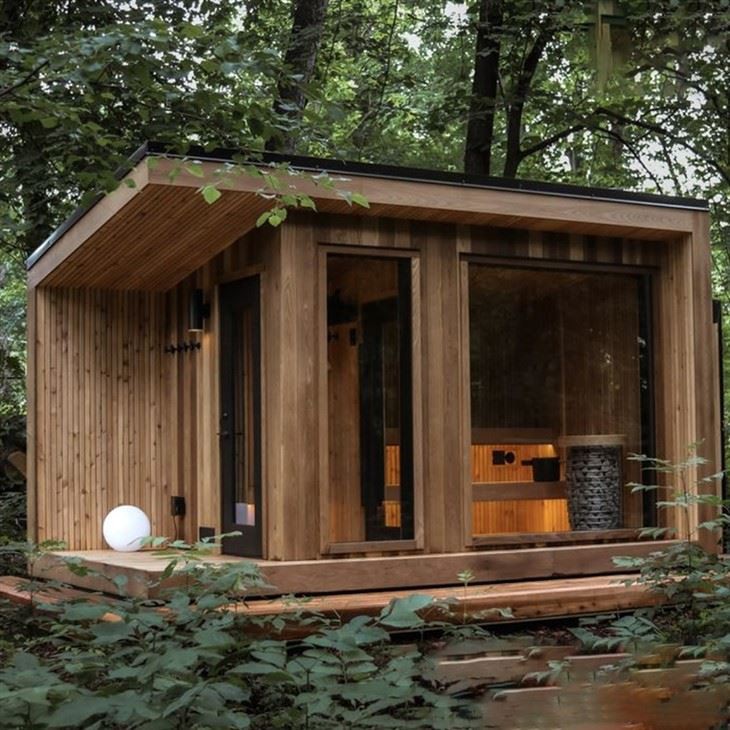

We also have the Sauna with Changing Room, which offers a versatile and functional design suitable for both indoor and outdoor use.
Conclusion
Treating the hemlock wood in a sauna room is a multi - step process that requires attention to detail, from pre - installation treatment to regular post - installation maintenance. By following the guidelines outlined in this blog, you can ensure that your hemlock sauna room remains in optimal condition for years to come.
If you're interested in purchasing a hemlock sauna room or have any questions about wood treatment, feel free to contact us for a detailed discussion. We're here to help you make the best choice for your sauna needs.
References
- Finn, J.M. Understanding Wood Species for Saunas. Wood Industry Journal, 2018.
- Smith, L.W. Sauna Maintenance and Wood Care. Wellness and Sauna Magazine, 2020.